
Asia’s Overlooked International City
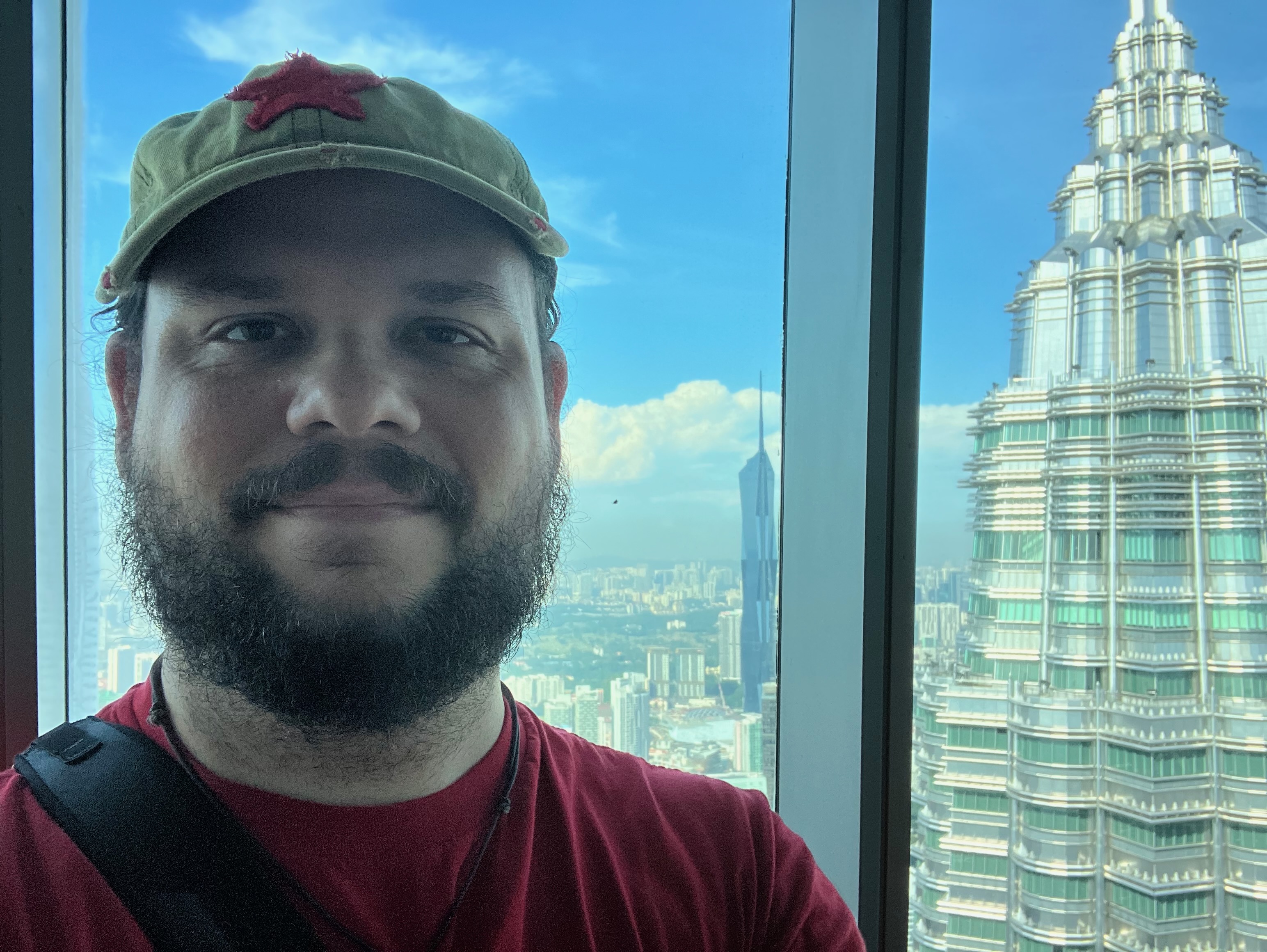

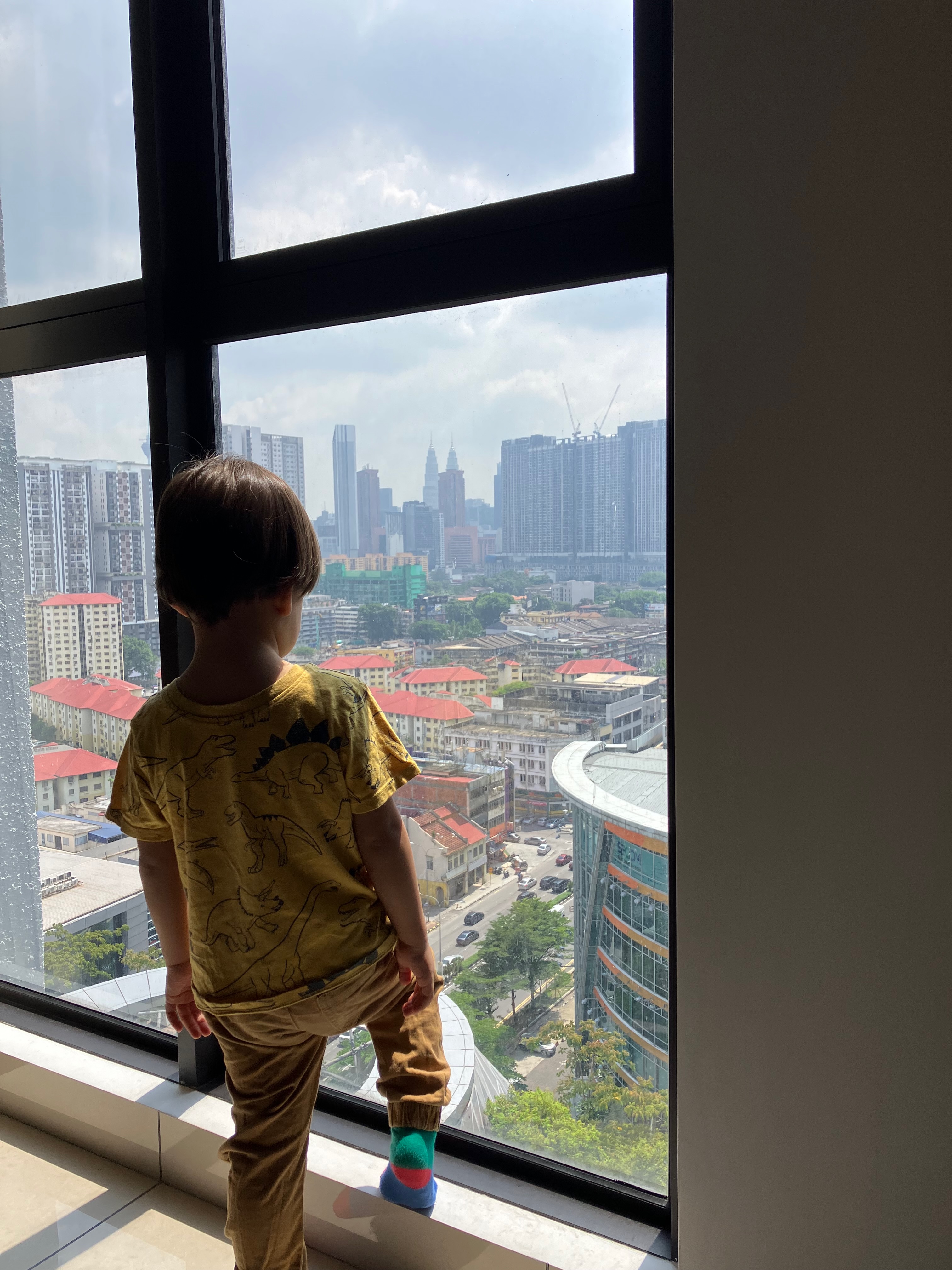
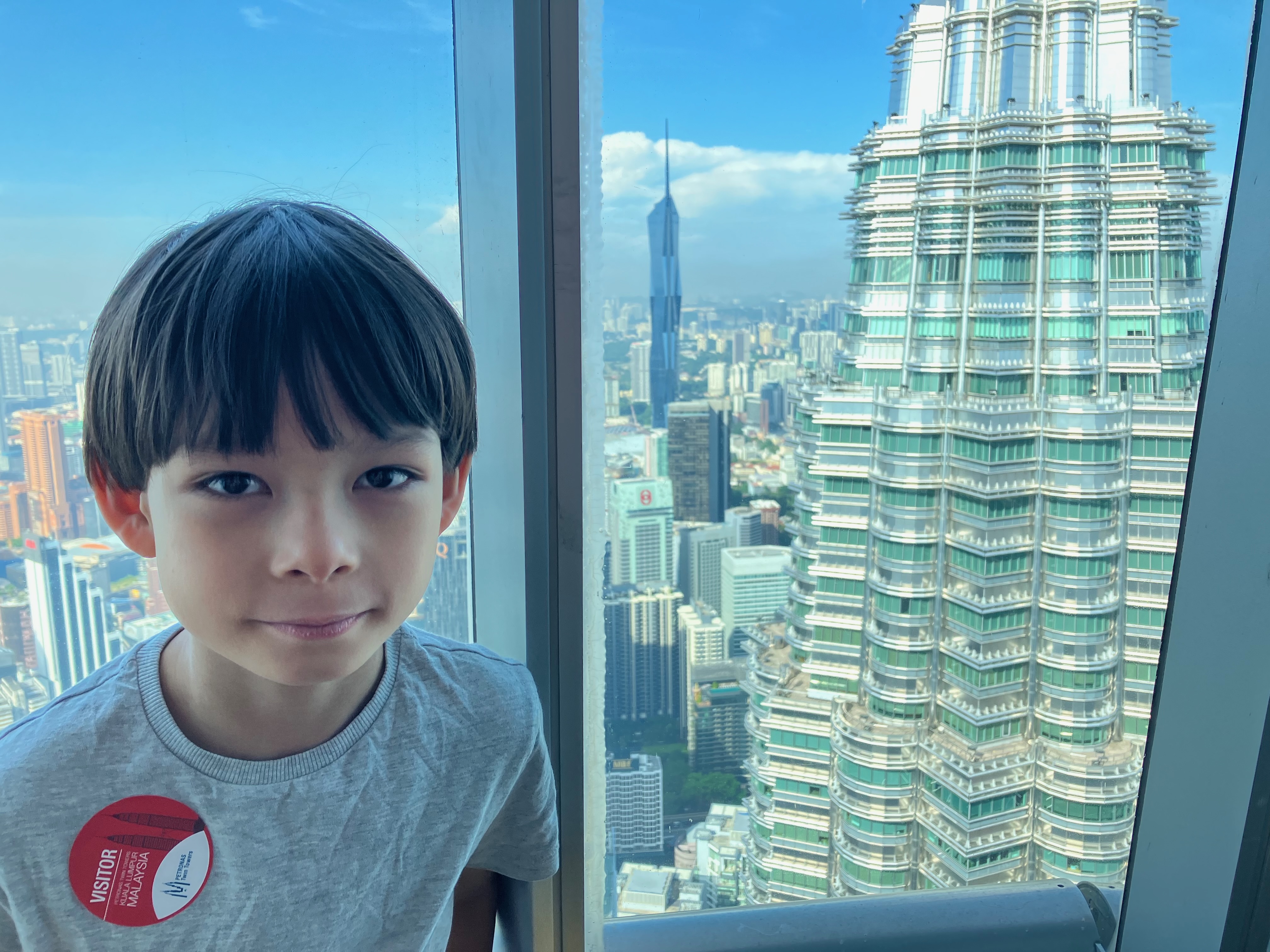
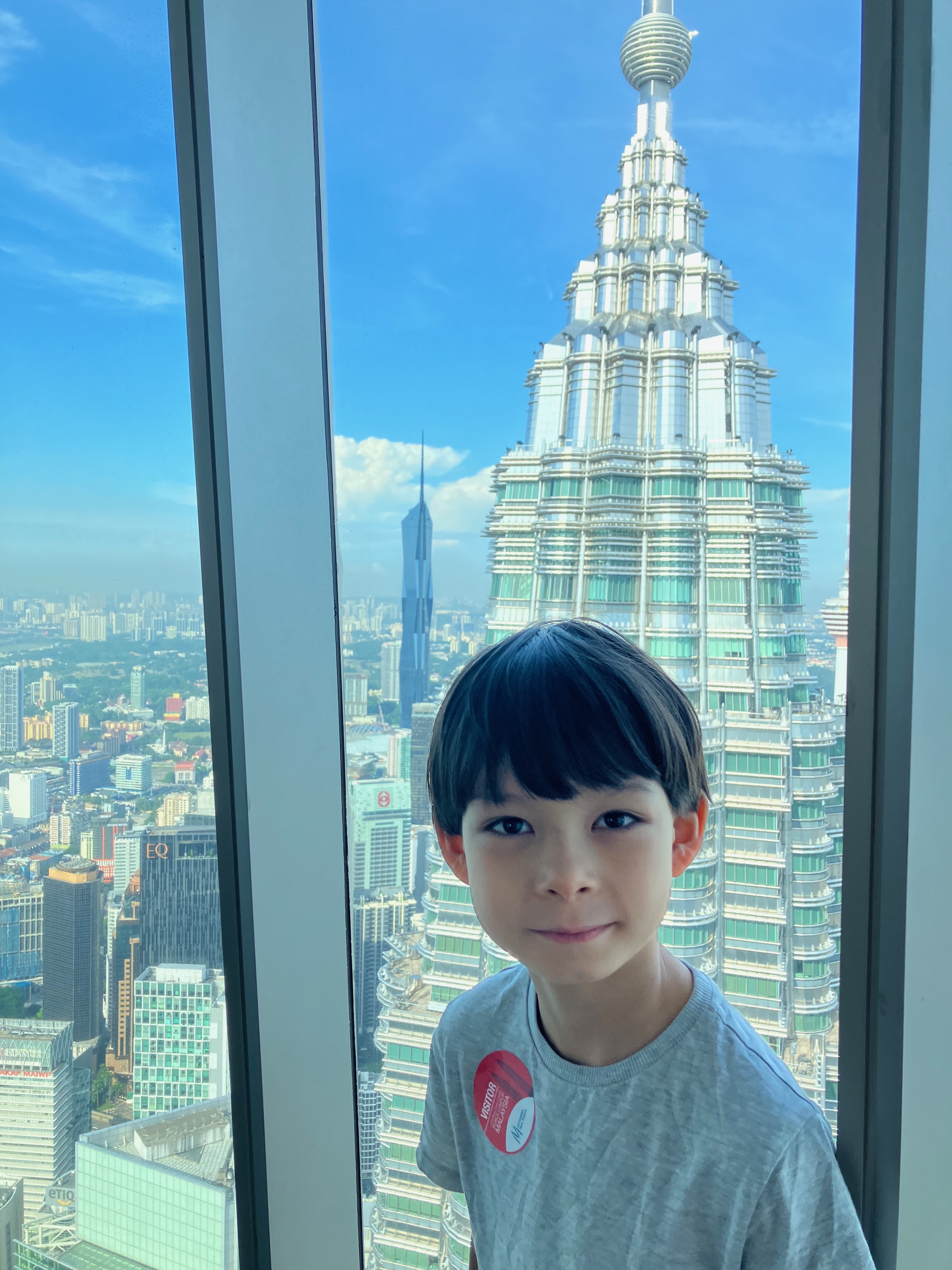

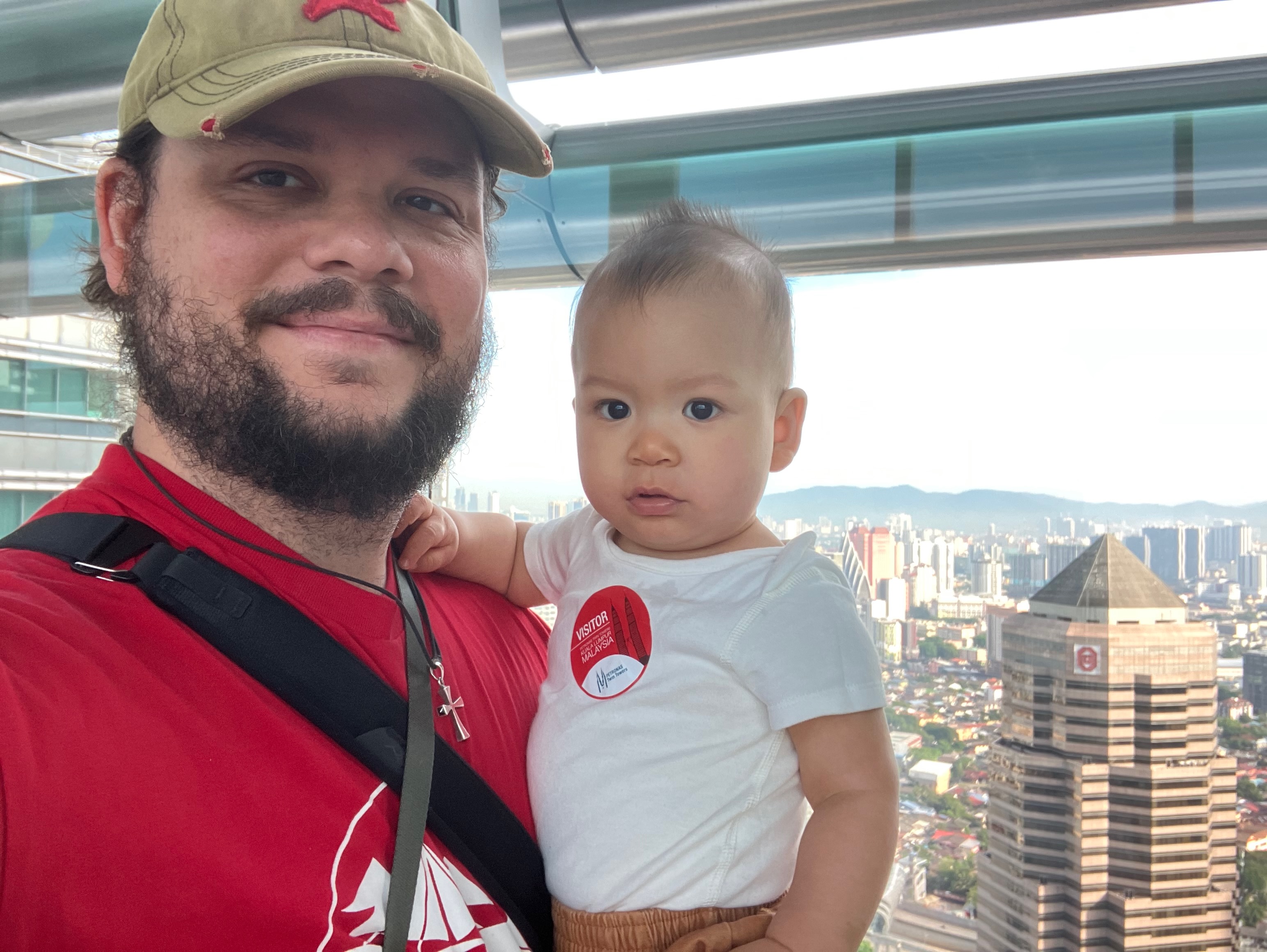
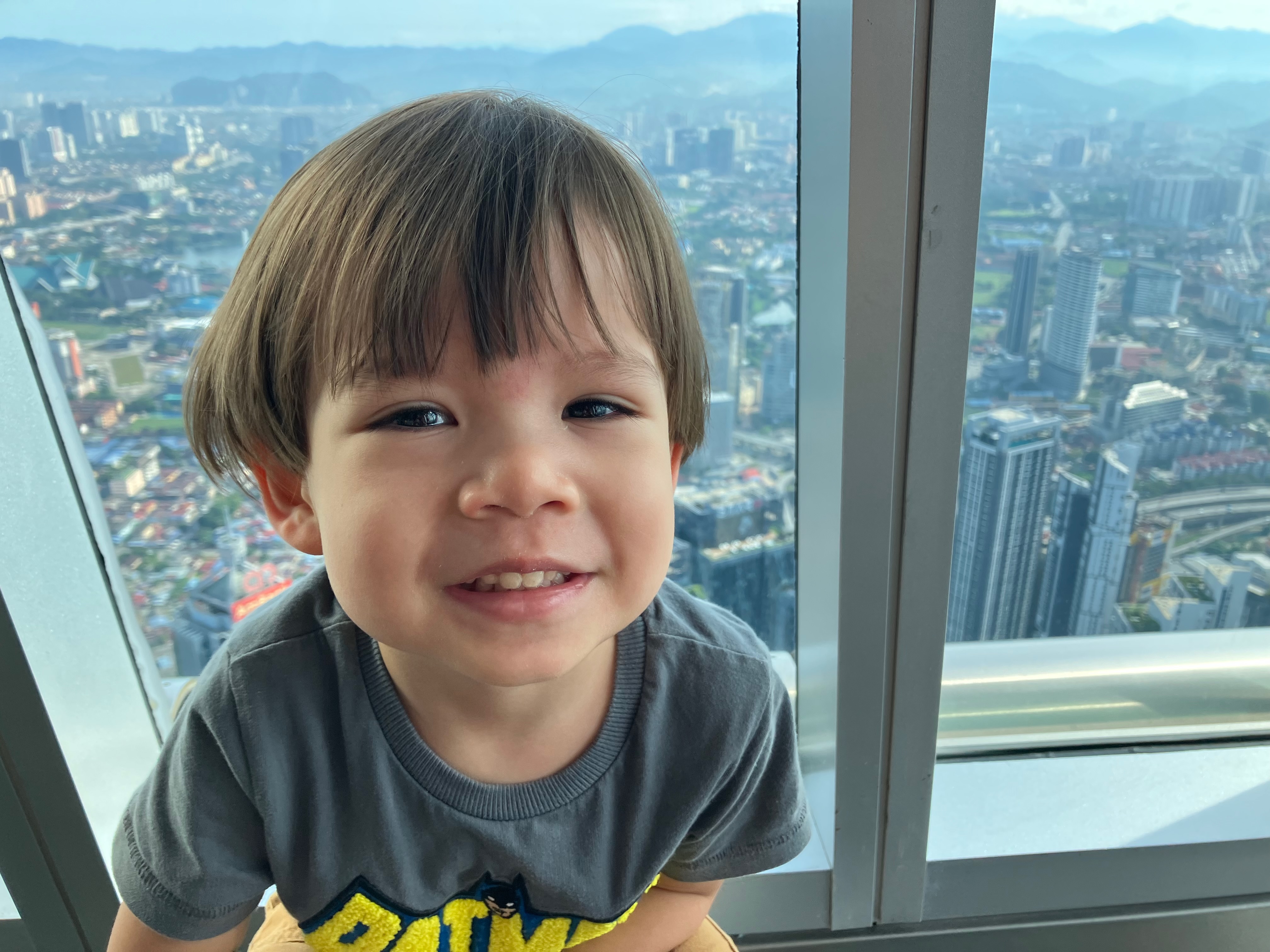
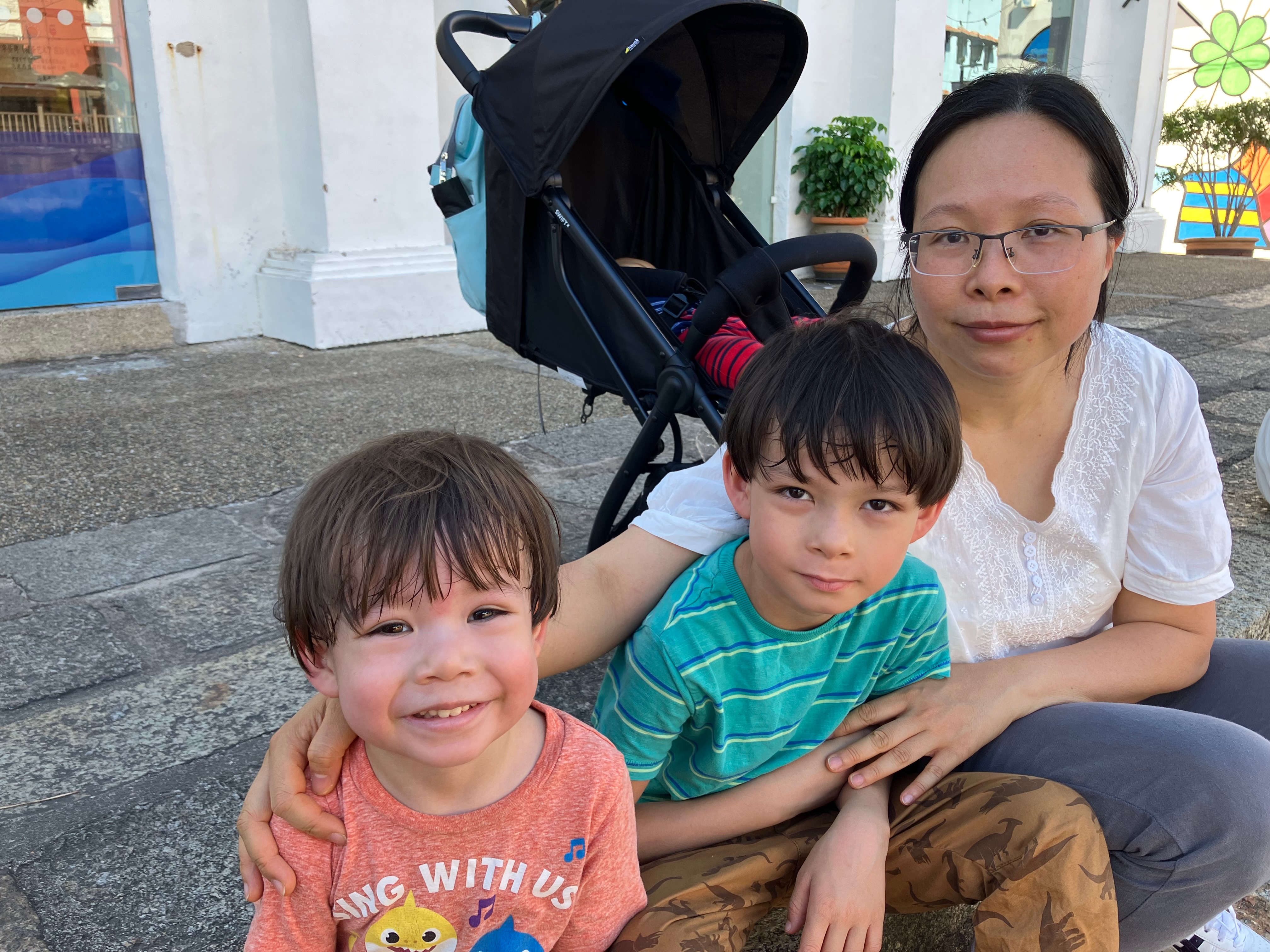
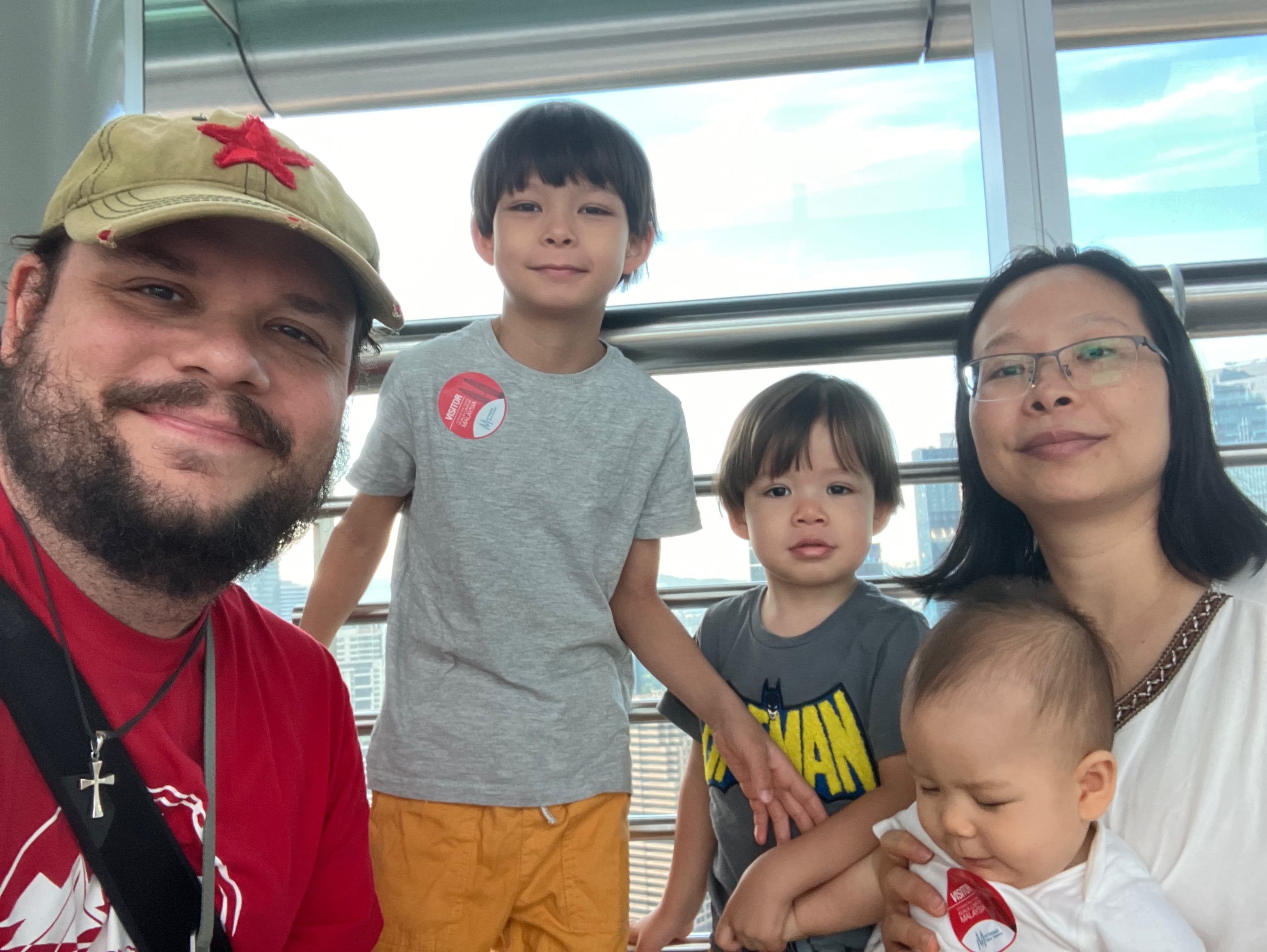
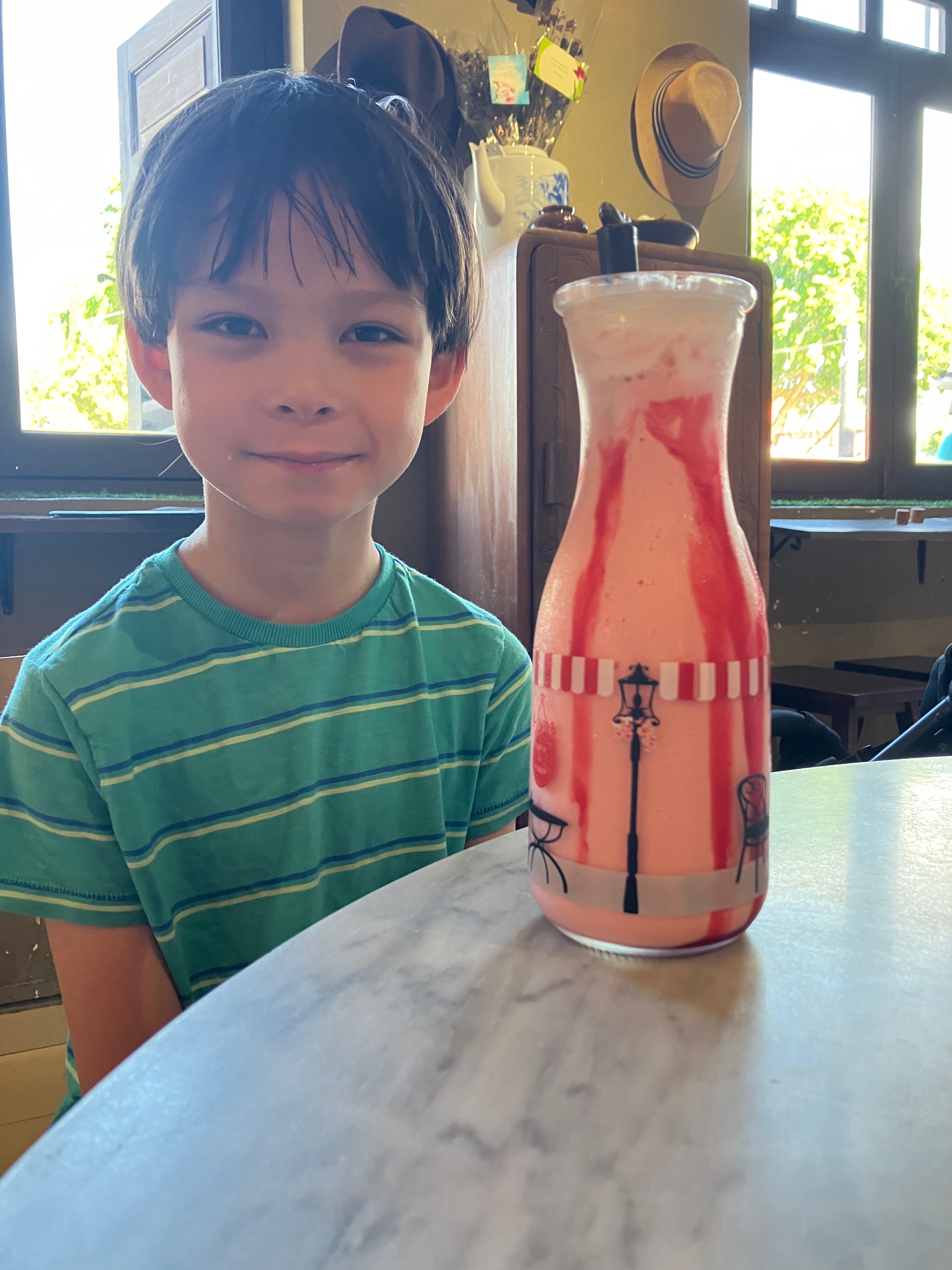
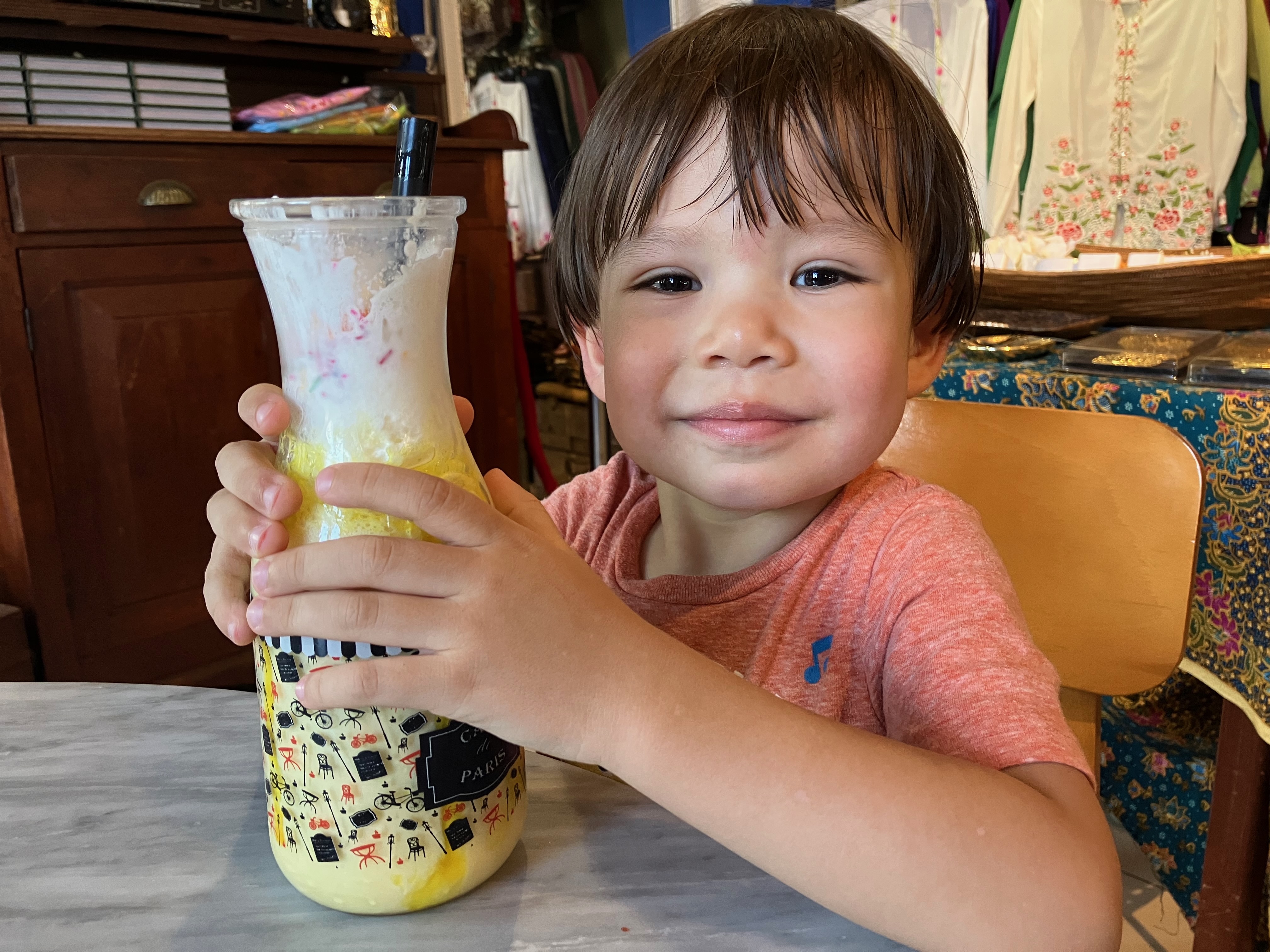
It is now officially summer holiday for us here in Hong Kong, and we made a trip over to Kuala Lumpur in Malaysia for two weeks. It was my third time in Malaysia and it was the family’s second time going, but for little Daniel and Jonah, it was their first trip to Southeast Asia. Since the family has grown a lot within the last couple of years, we decided to take it really easy while in KL, but we were able to see/ do some pretty interesting things. Though we mostly took it easy and did one or two things each day in KL, there was something that really surprised me this trip to KL. It was something that I had not been so struck by since having traveled to Toronto for the first time back in 2013. Kuala Lumpur is such a culturally diverse and cosmopolitan city, it may even be one of the most culturally diverse cities I’ve visited yet. Everywhere we went, we were surrounded by people from all across the world; even the local population consists of Malays, Chinese, and Indians.
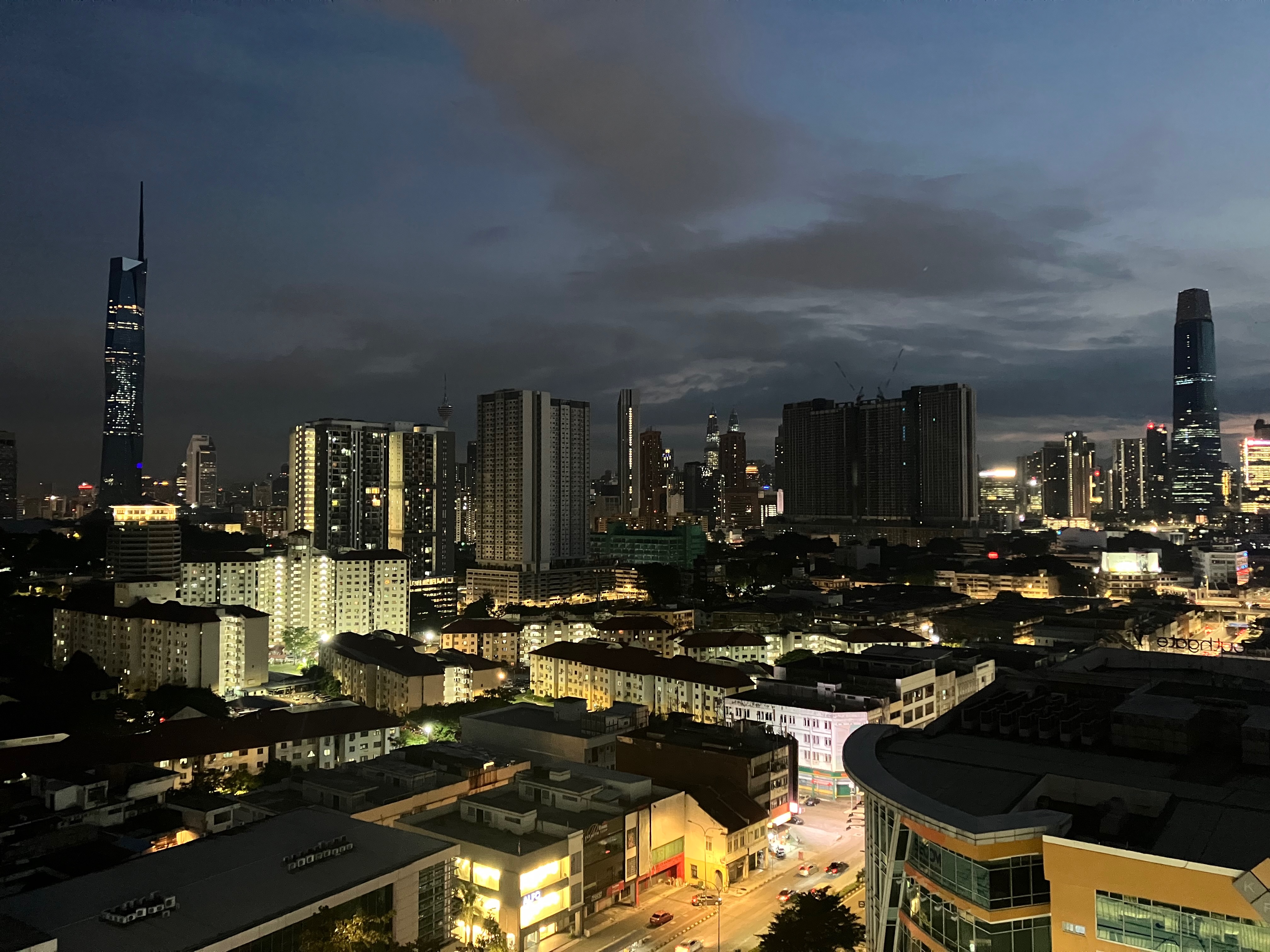
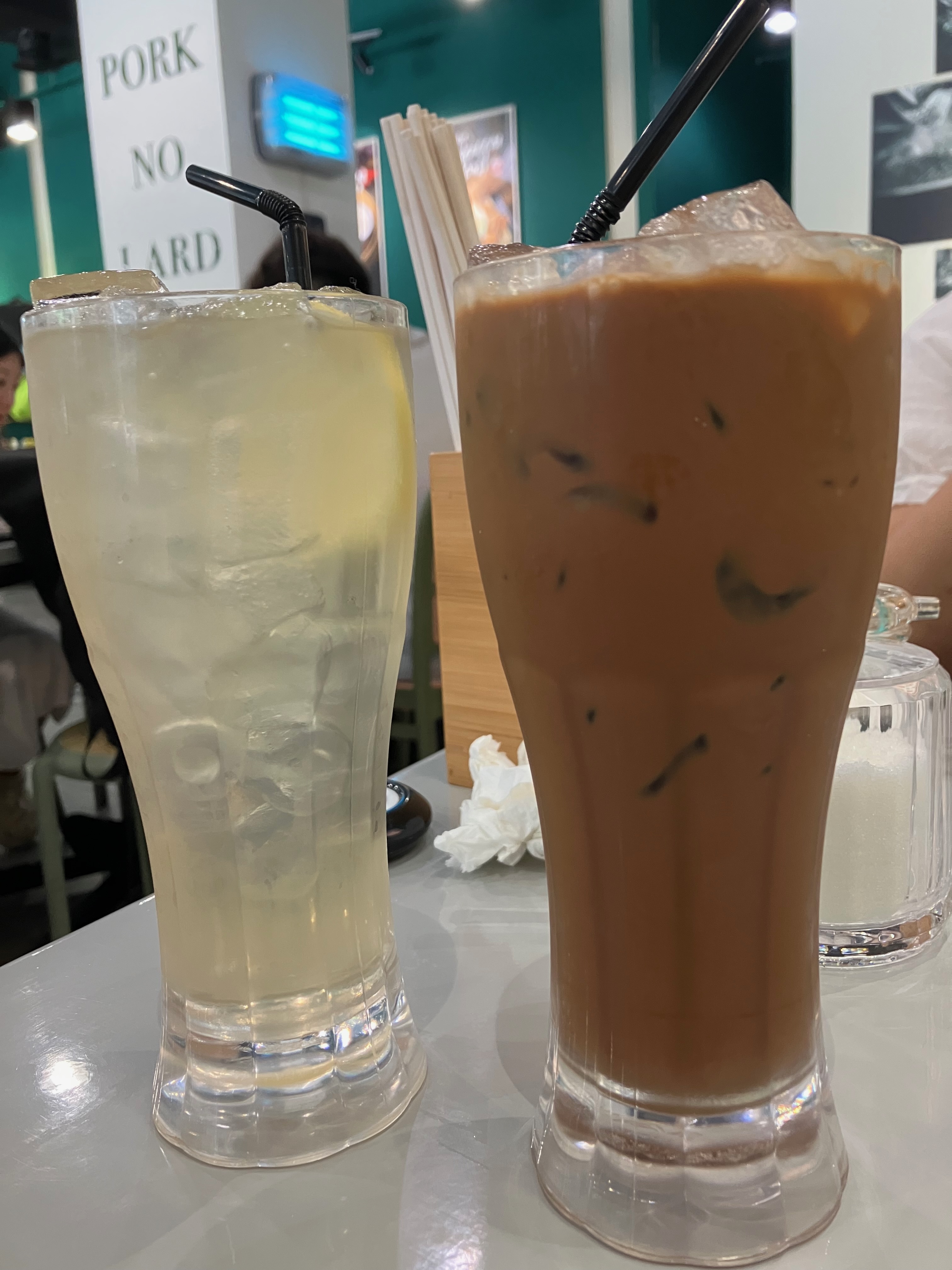
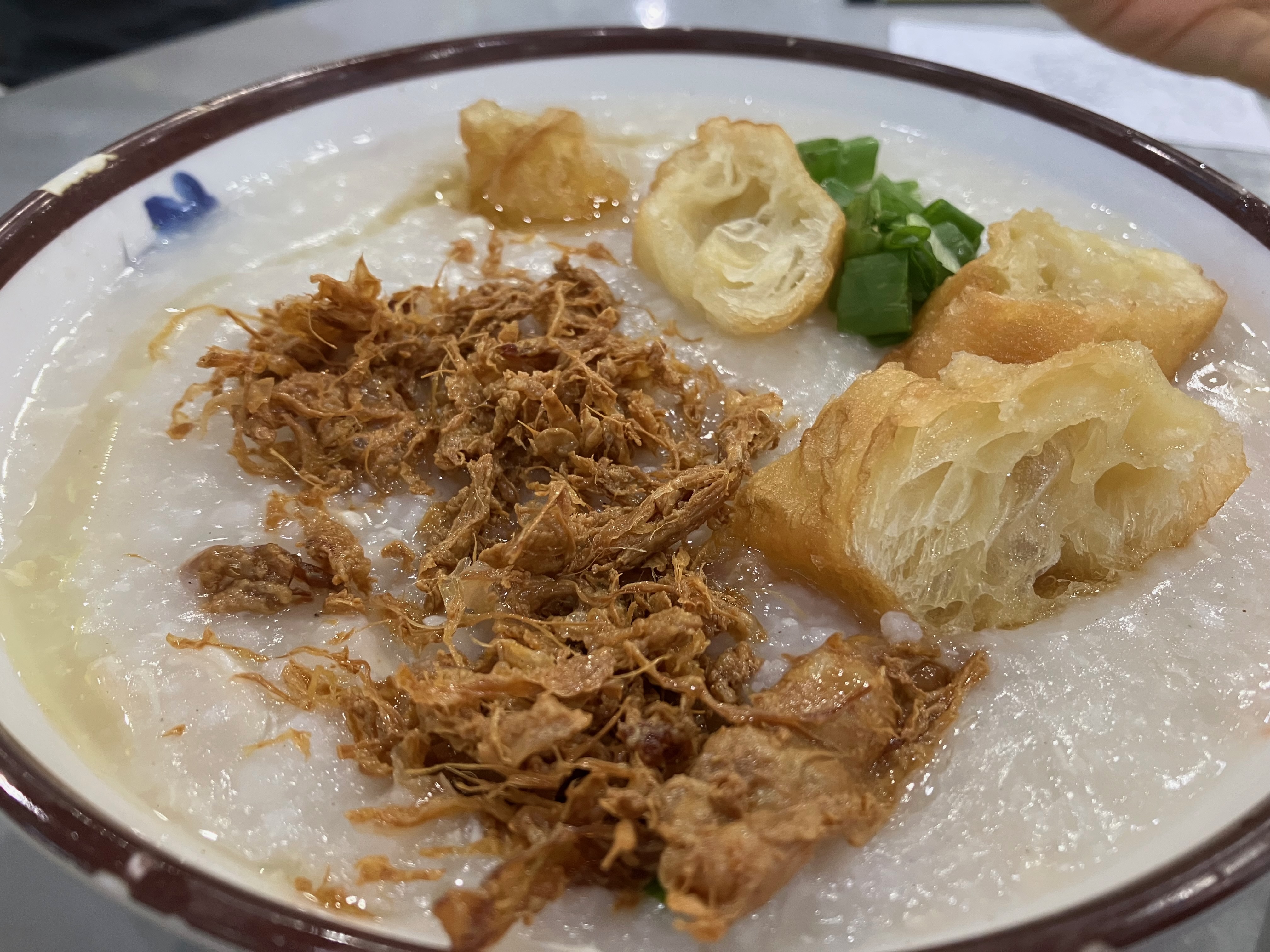
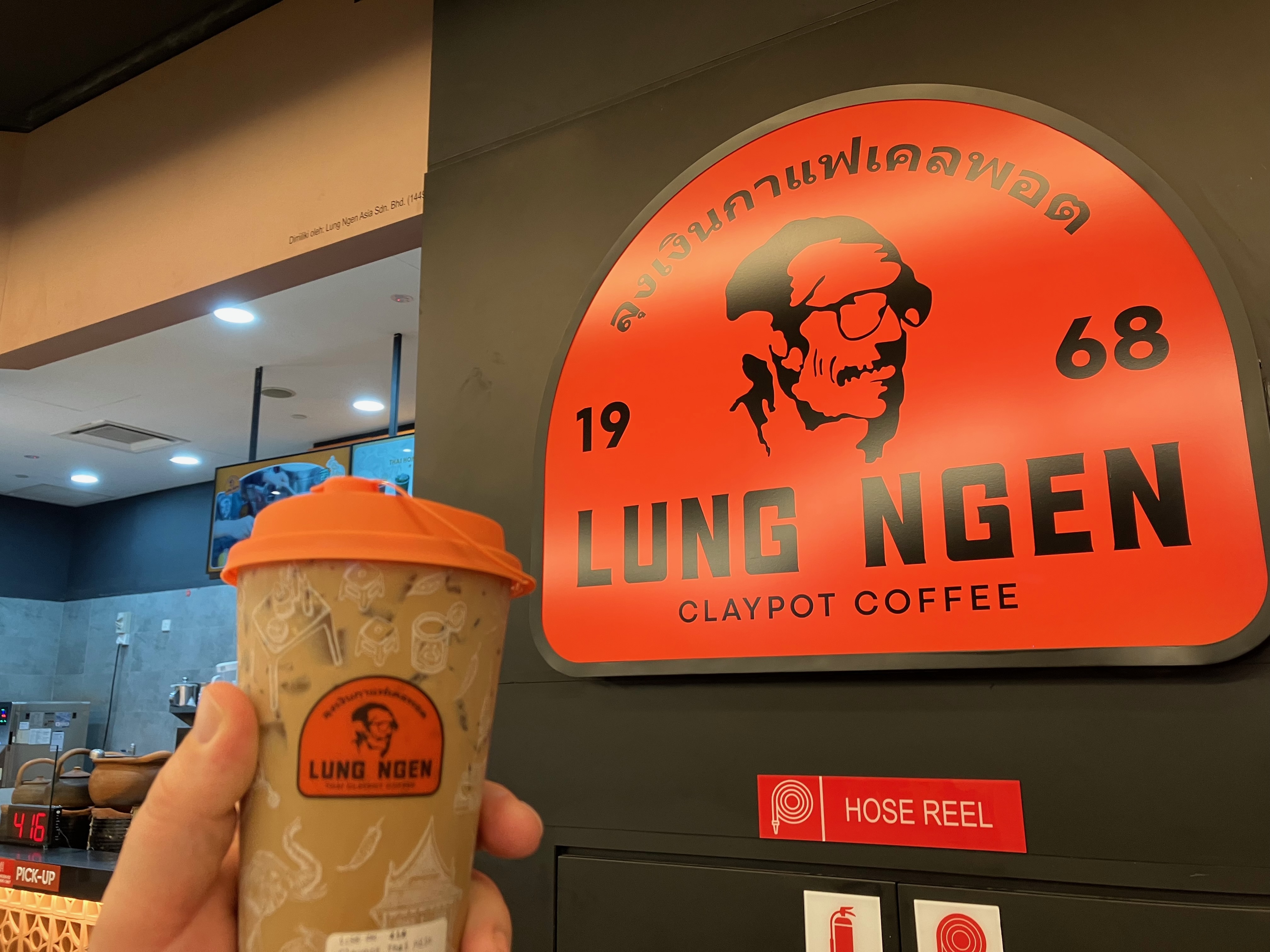
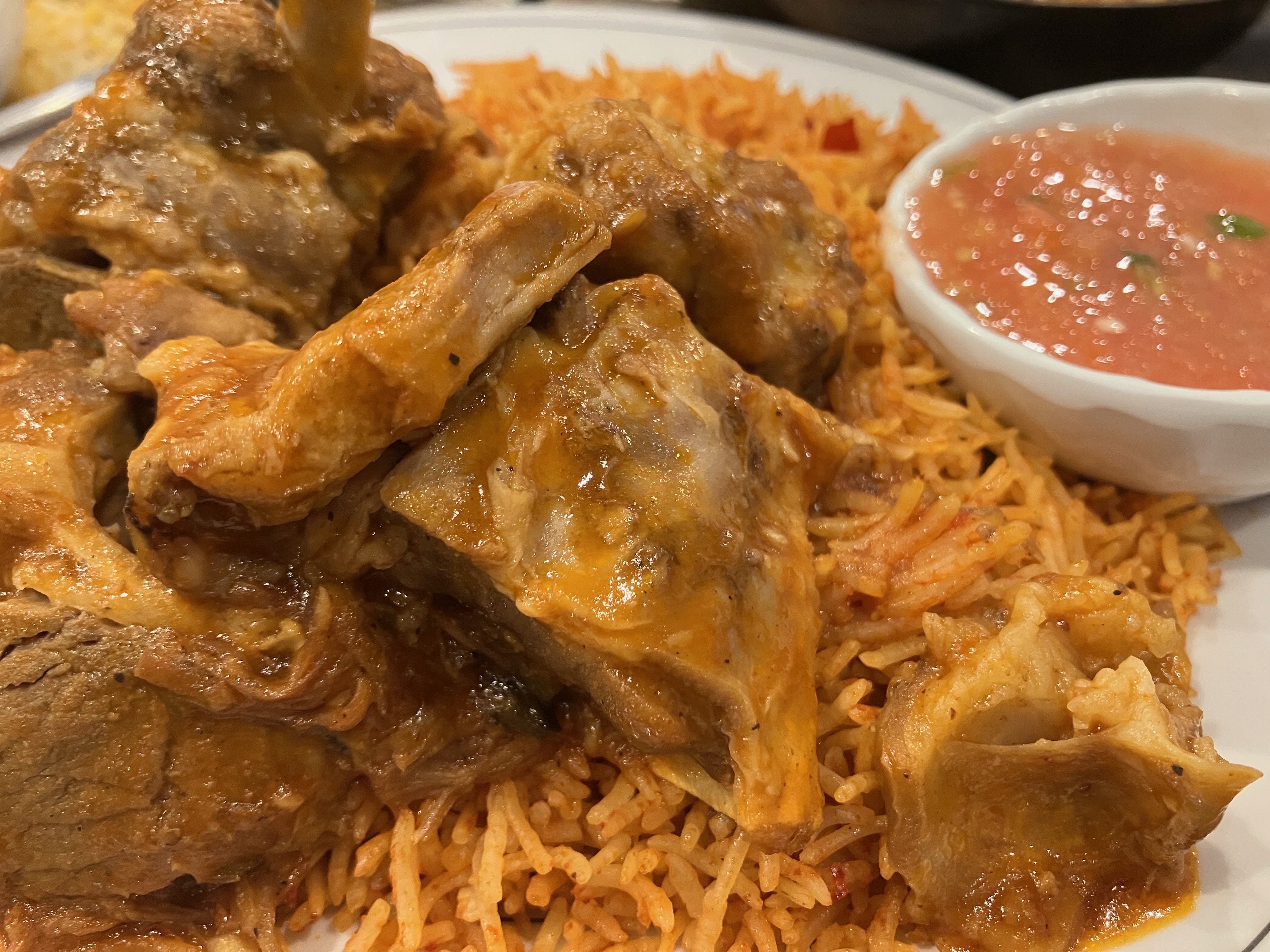
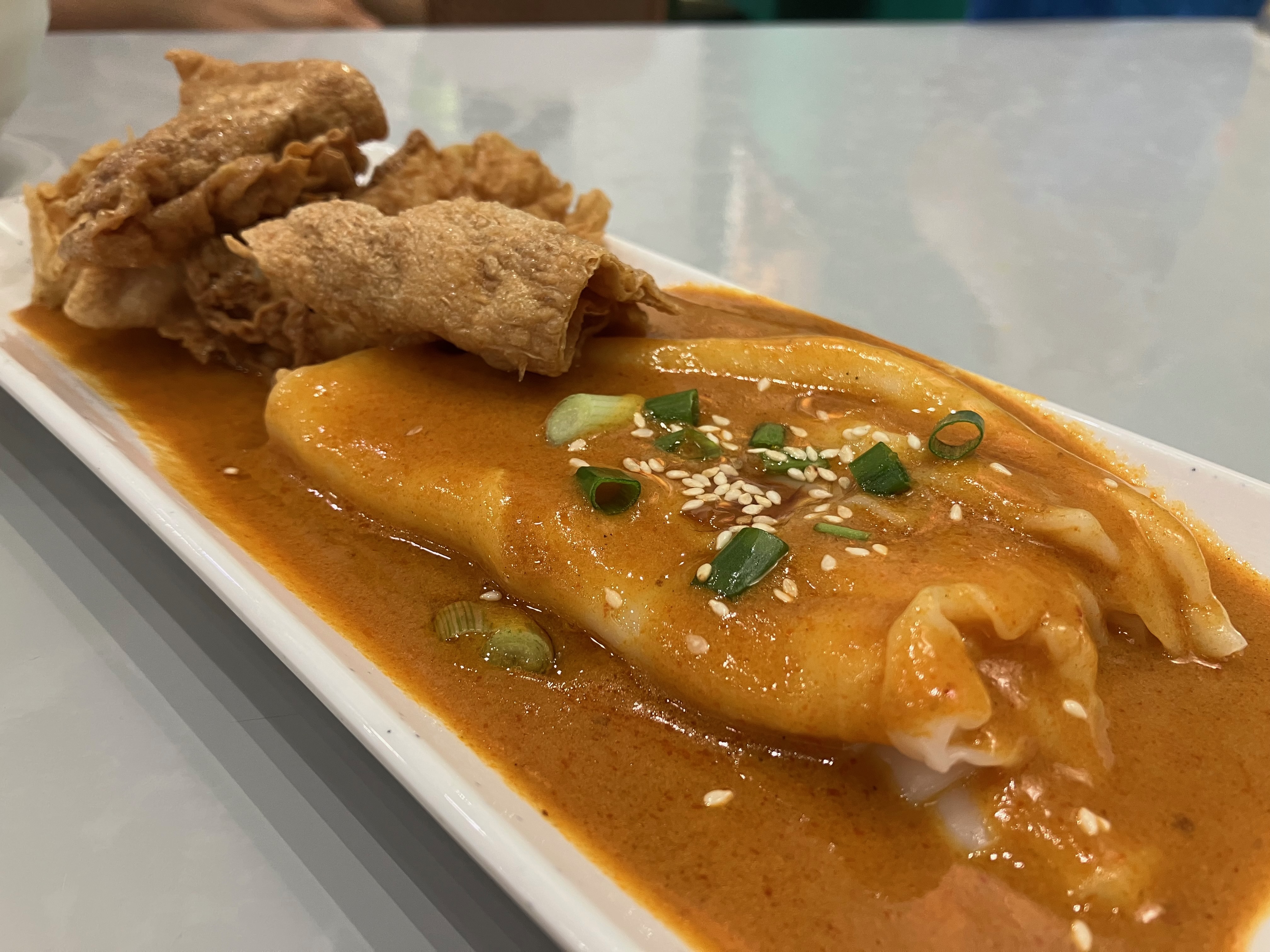
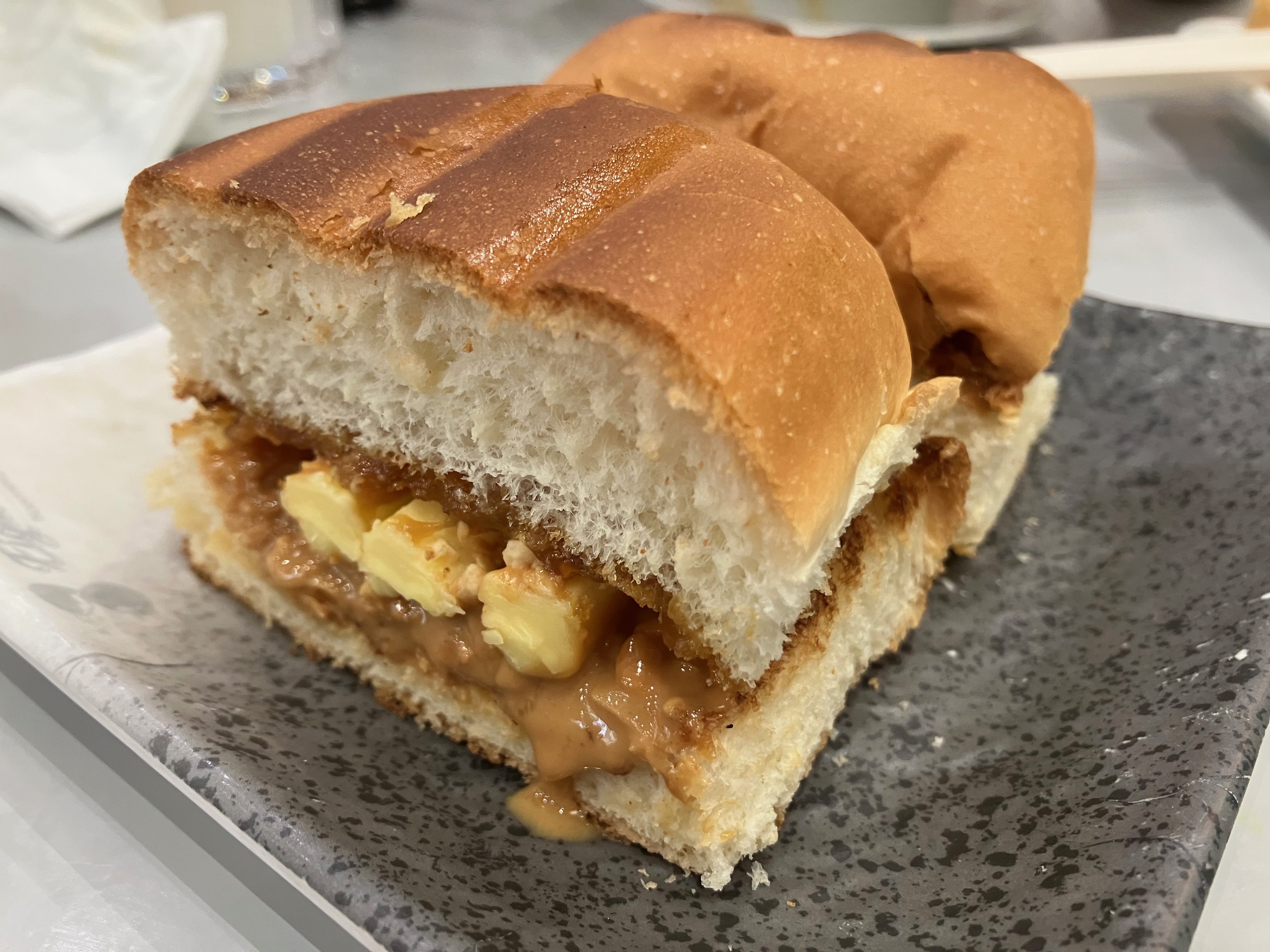
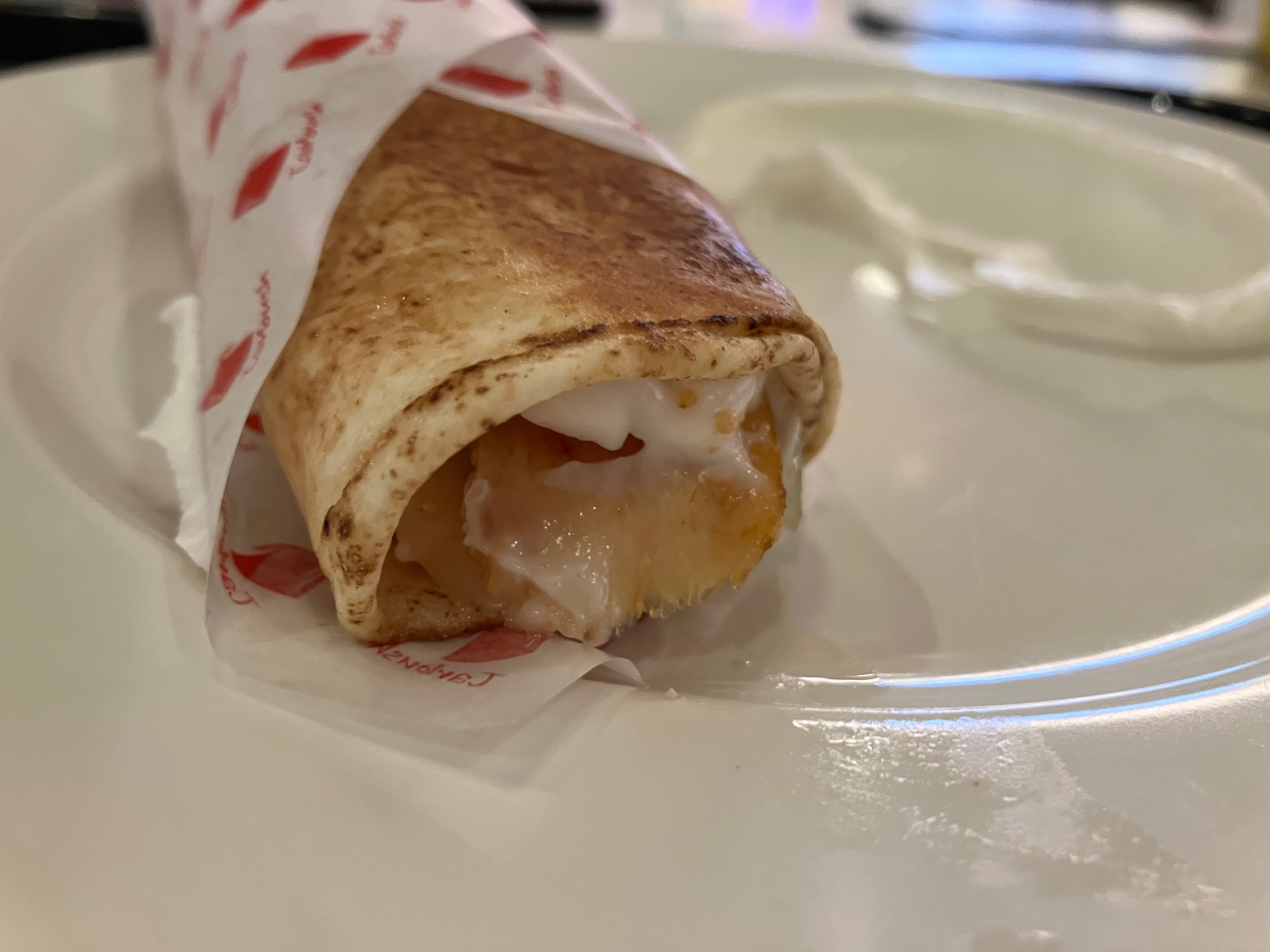
This type of environment is truly a special characteristic; lots of places are considered to be multi-ethnic or culturally diverse, but these people groups often stick with their own. While I am sure that happens a lot too in Kuala Lumpur, it was really interesting to see Indians with Chinese or Malays with Expats, and as a result, I believe that Malaysia has developed some really interesting foods. While we were there, we tried lots of different dishes and different foods that would be significantly harder to find here in Hong Kong. For example, we saw Mexican food around KL and even a Taco Bell! Mexican food or Cali-Mex type restaurants have popped up in Guangzhou and used to be here in Hong Kong, but since the Covid lockdowns, a lot of that variety has left the city. Everywhere we went, we saw so many people in Malaysia trying different ethnic cuisines, especially in the food courts (or hawker centers) that are scattered all across the country. Our personal favorites this time around were Yemeni and Lebanese food.
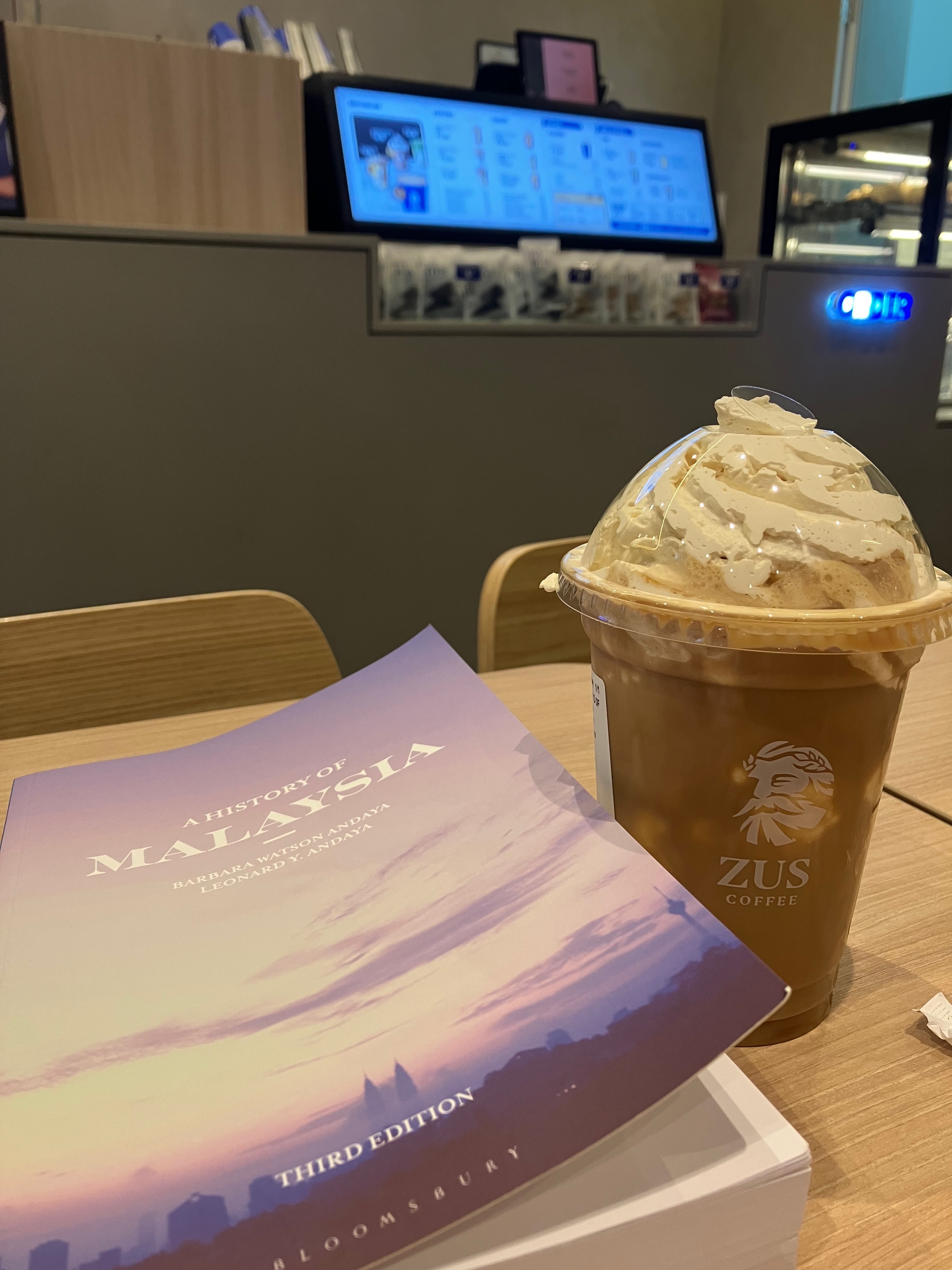
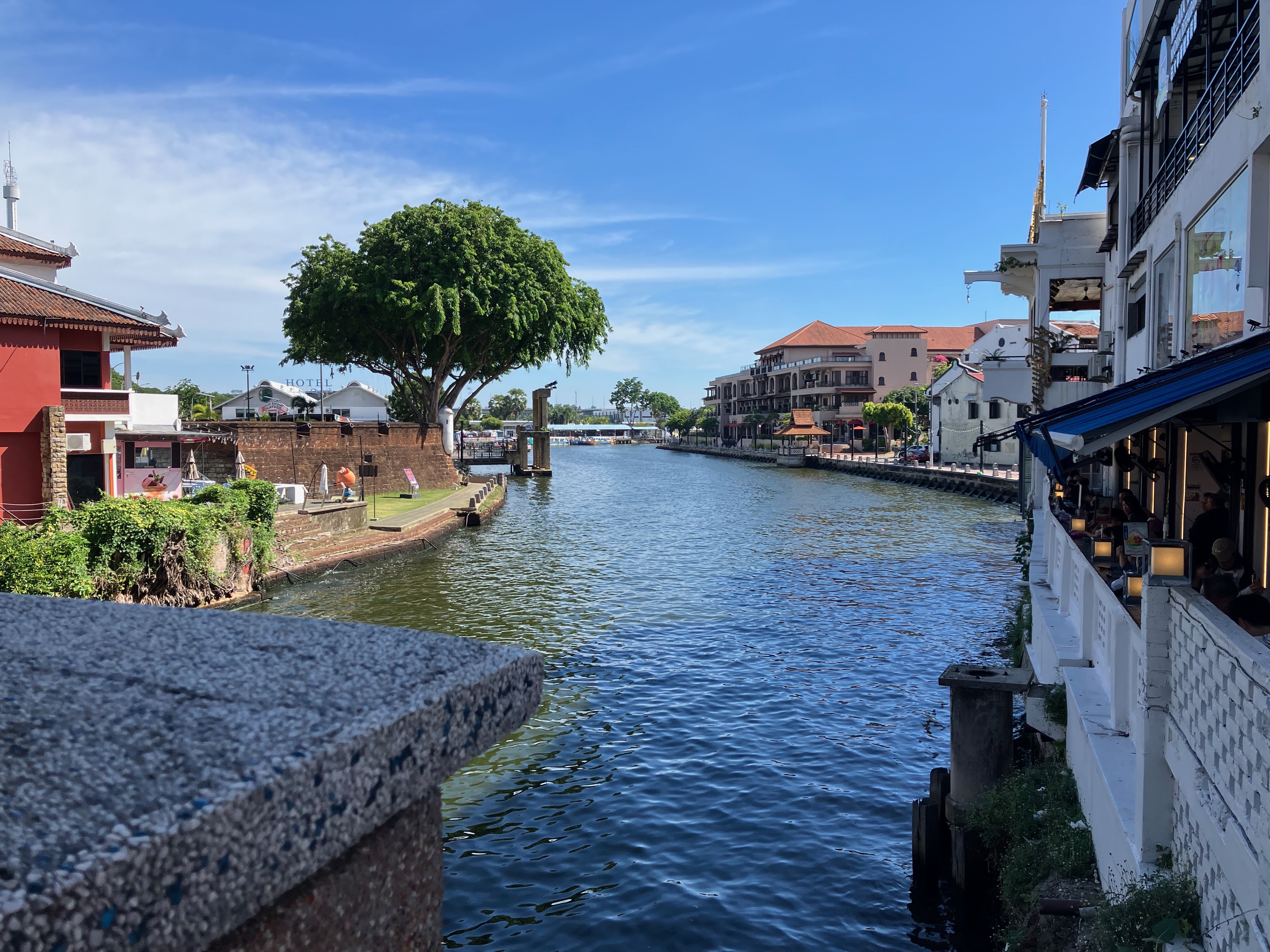
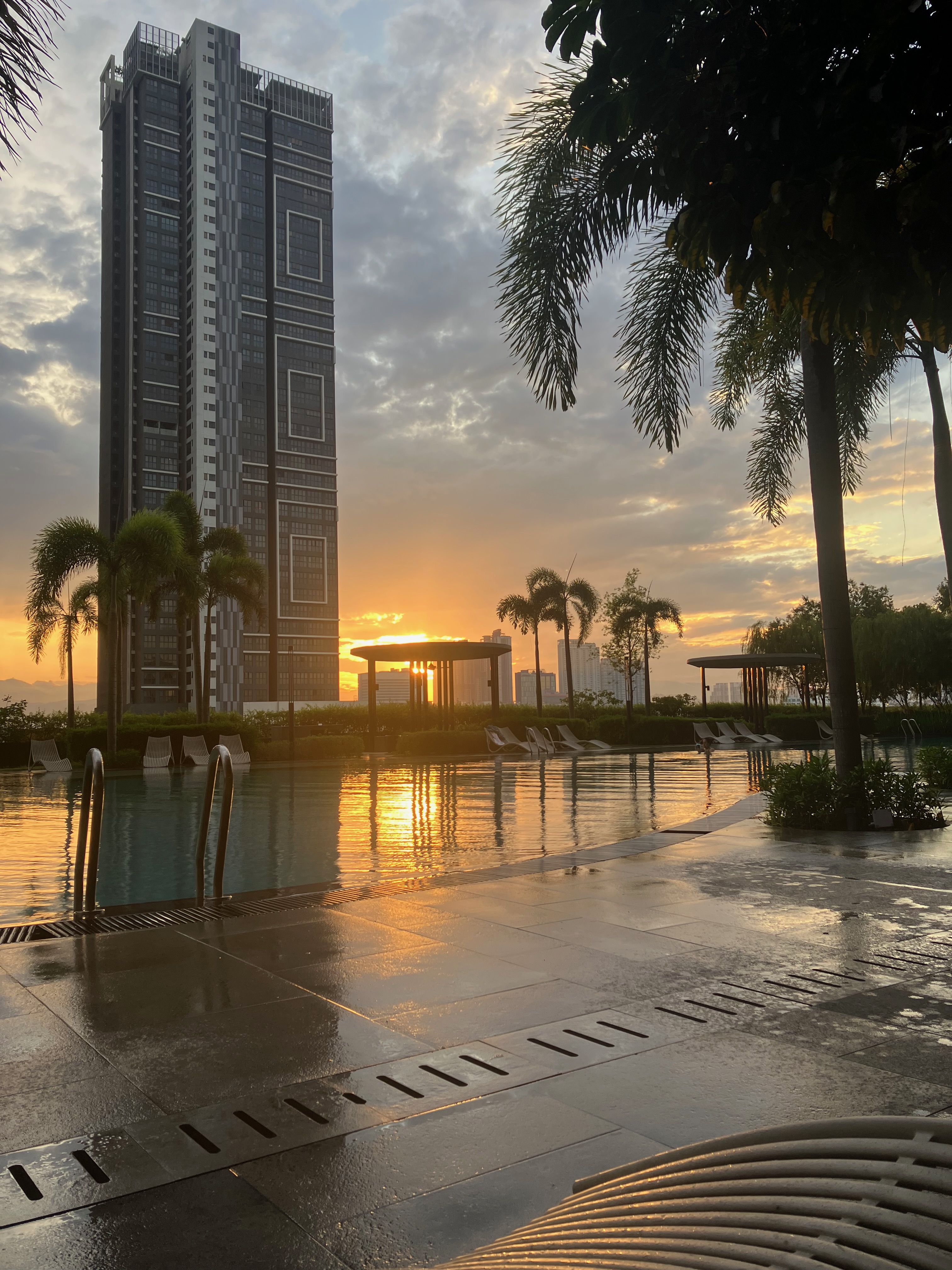
While we were there, we went to a Kinokuniya Bookstore (popular Japanese franchise) and I found a book on Malaysian history that I have been reading on and off for the past couple of weeks. The first couple of chapters give a brief introduction to the demographics of Malaysia and then go on to discuss the indigenous people groups of Malaysia. There were times early in the morning, I would get up before everyone else and just sit by the pool at our Airbnb. While watching the sunrise, I’d either pray or think about some of the material I was reading. This past year, here in Hong Kong, one of the key themes that was present in the 10th-grade curriculum at my new school was that globalization has existed longer than many are led to believe. It has been interesting reading about the Chinese influence over Malaysia, the Indian expeditions, the motivations of the Dutch/ Portuguese, and lastly the British, who all had imperial interests over the country. It had made me wonder if the Malaysians are so accustomed to different people groups that it has just become part of their identity because of this historical exchange. That being said, we did take a day trip to Malacca (in hindsight, I wouldn’t recommend a day trip, 2-3 days at a minimum). While we drove to Malacca and traveled by train, we did see a very different Malaysia from what we saw within KL. The cultural diversity was not as profound as the capital city, but even then, we would see random Chinese or Indian temples in sparsely populated places in the surrounding states from KL to Malacca. We were able to briefly see the other states in Malaysia on route to Malacca, states like Selangor, Negeri Sembilan, and Melaka. My wife and I commented a few times on how these remote places, where you would imagine it would be predominantly Malays living in the area, would still have Hindu, Buddhist, or even traditional Chinese temples.
Recently, a lot of people have been moving to Malaysia or Singapore. Many people have, unfortunately, left Hong Kong for a multitude of reasons and have thought life would be better or easier in other places throughout Southeast Asia. While KL is not as cheap as we once remembered (mostly because the value of the US dollar has dropped so much within the last 3 months), it is still significantly cheaper than Hong Kong or Singapore, which have been named two of the most expensive city-states in the world. So I believe that Malaysia will continue to grow and become even more diverse.
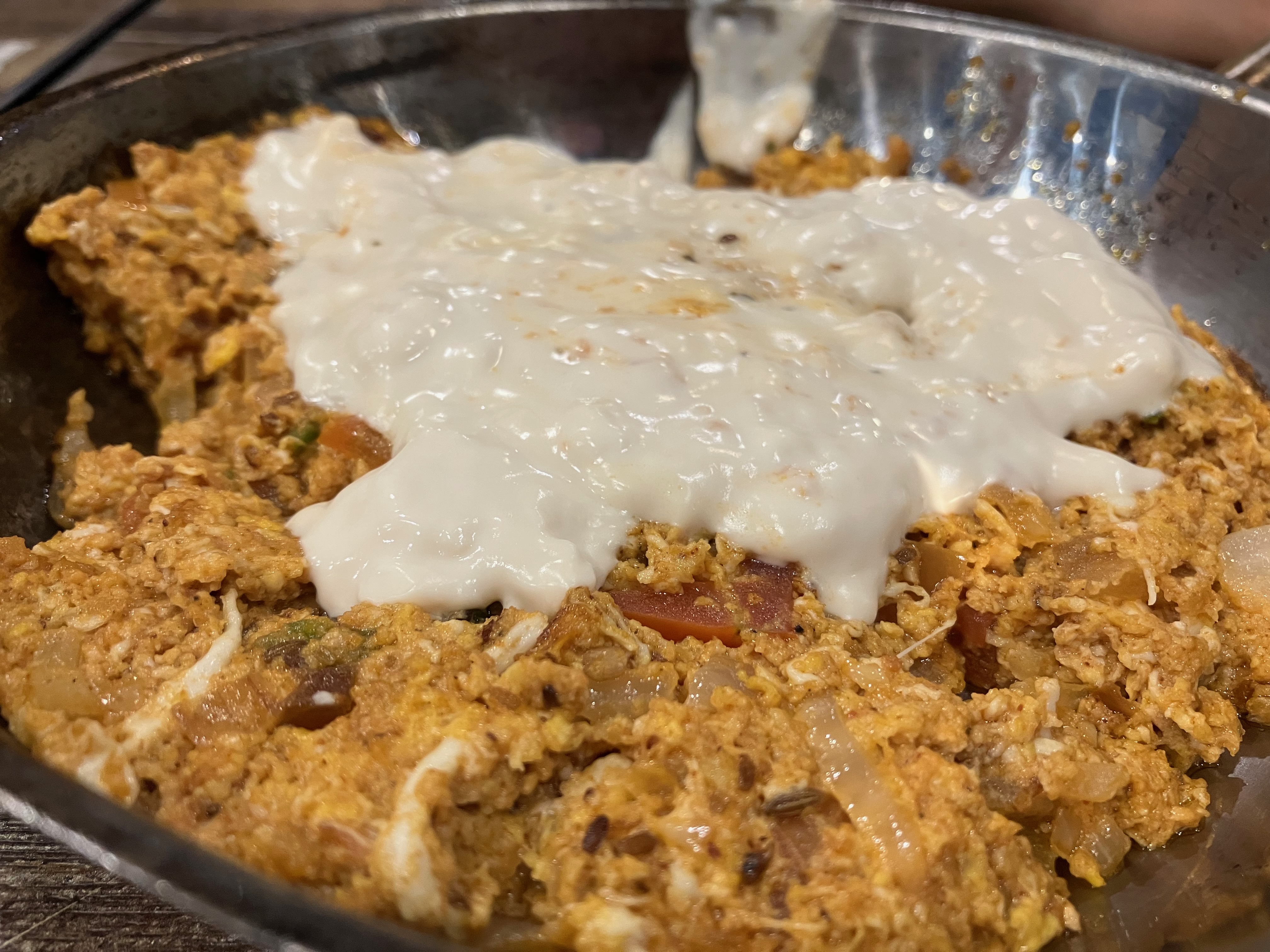
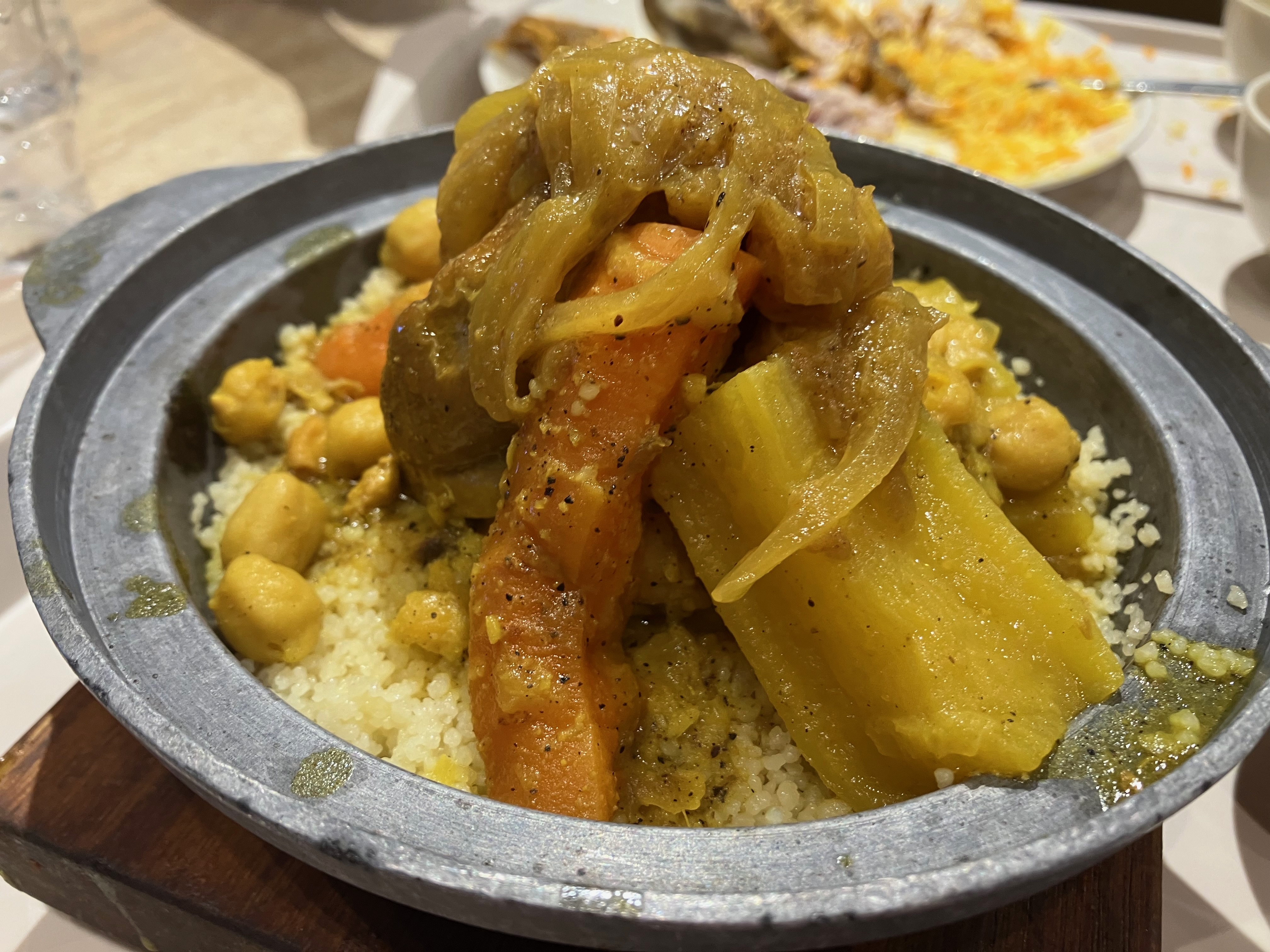
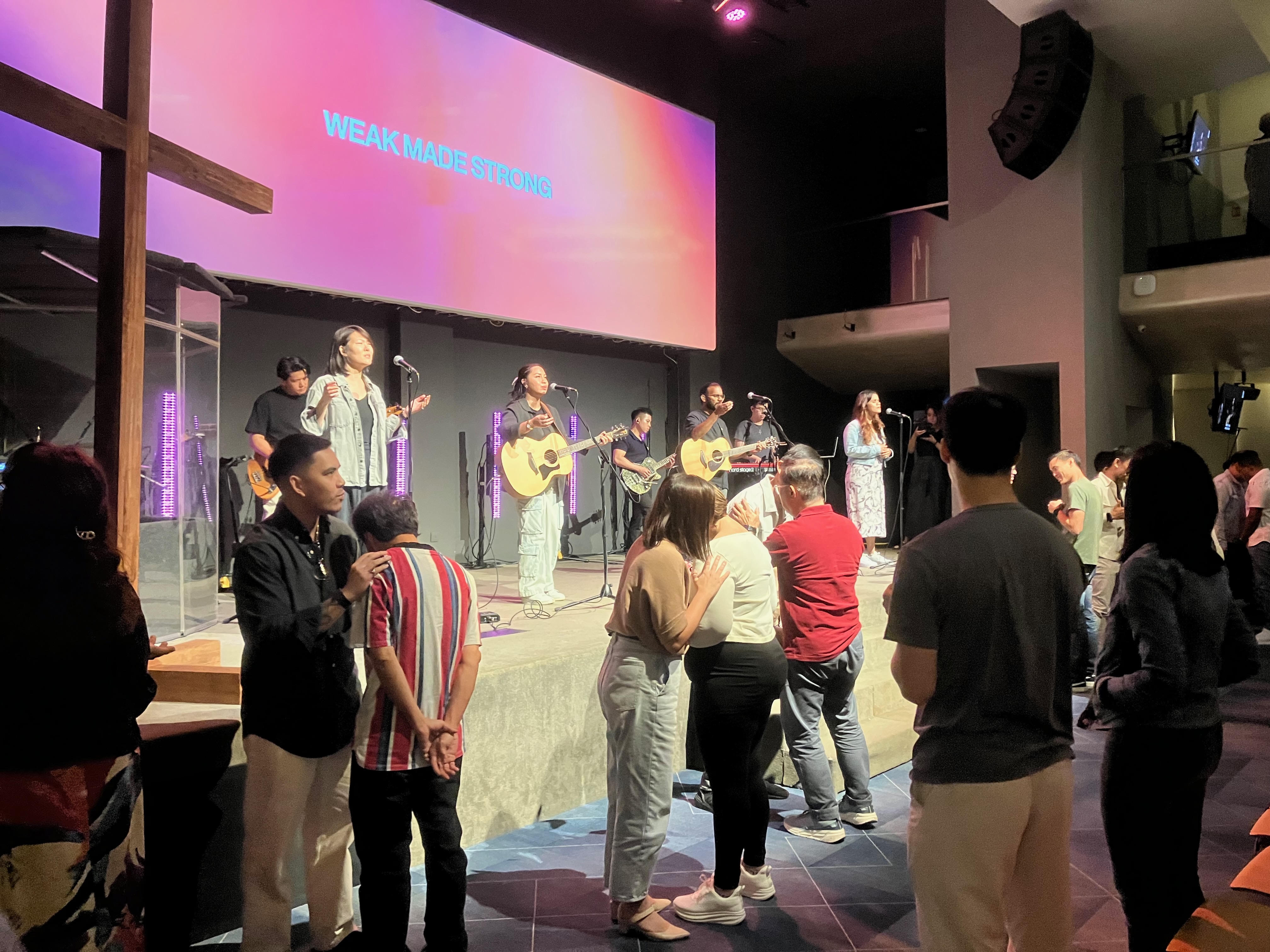
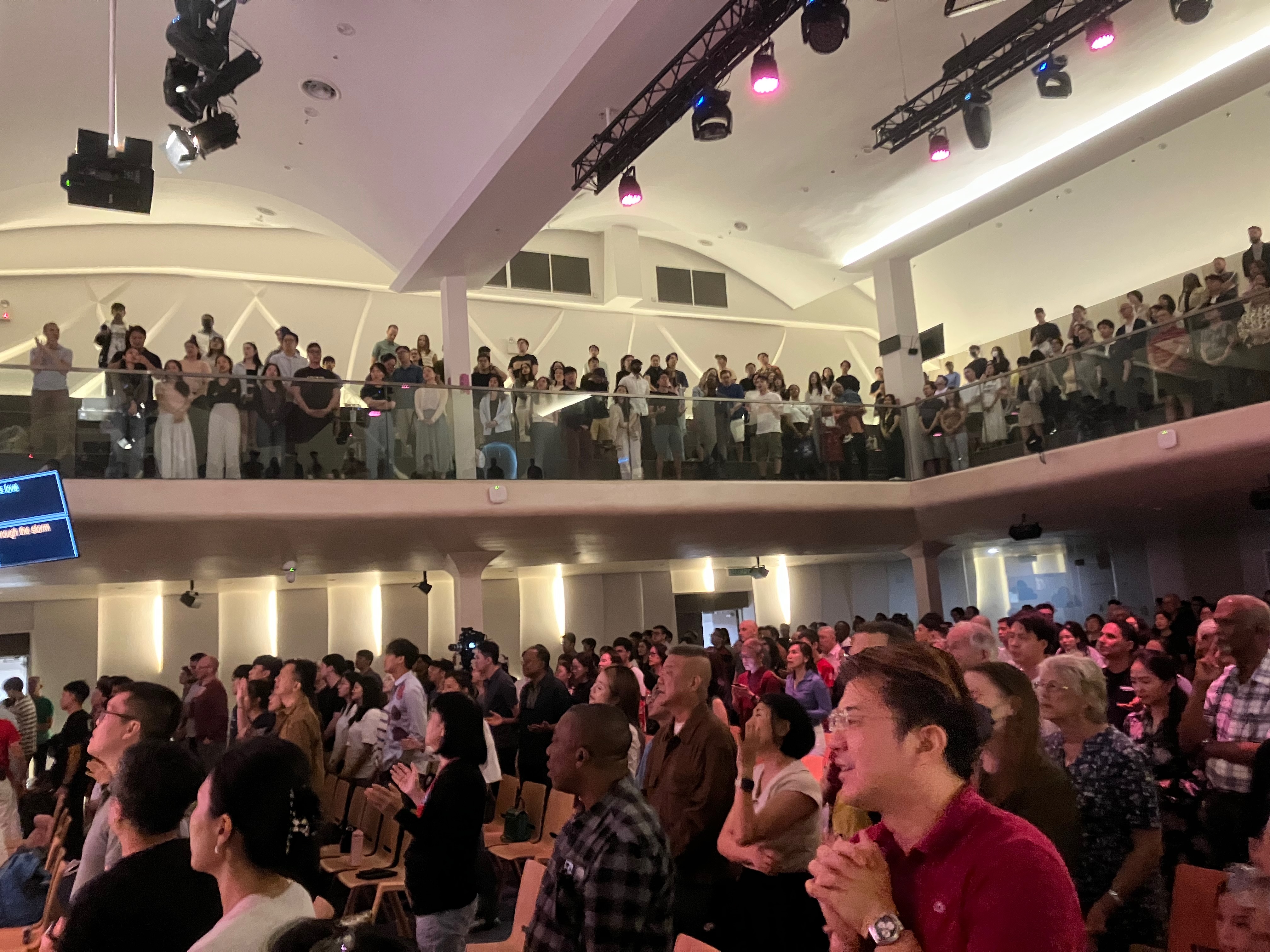
In closing, I should probably mention that when speaking with locals, a topic of discussion that often came up was cultural/racial issues within the country. The locals would often mention that at times it can be very difficult living with so many different people groups, but they try to adhere to a belief of allowing those different communities to operate within their frameworks and leave them to practice how those people groups see fit. One major takeaway I gained from this trip is that diversity can exist within a community, but only with a strong desire to maintain unity. Malaysia is not a perfect country, but its leadership values diversity and strives to maintain unity within society. It is not something that can simply exist without intentionality and persistence. May the Lord continue to bless Malaysia, its people, and, more importantly, allow Christianity to flourish even more within its borders. We hope to travel there again.

 branhow.com